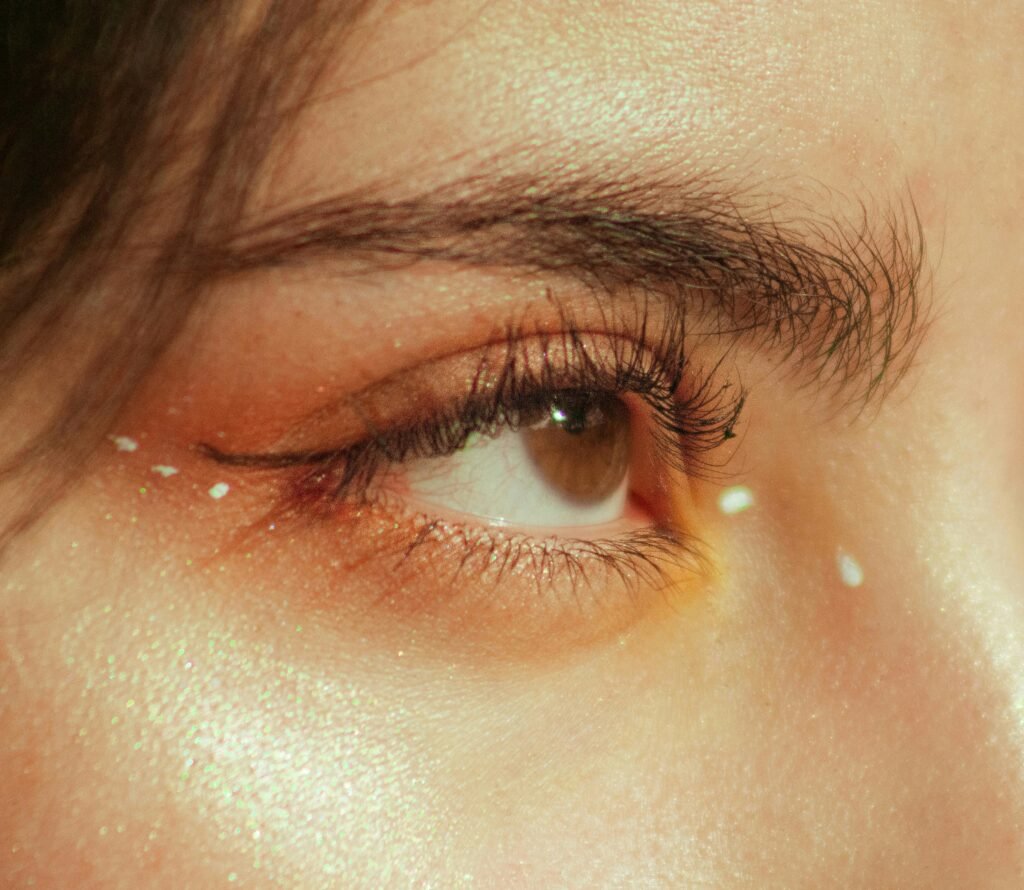
Eyeshadow Blending: The Skill That Changes Everything
Every professional makeup artist will tell you the same thing: the quality of an eye look has almost nothing to do with the eyeshadow you use and everything to do with how well you blend it.
Why Blending Is the Whole Game
A beginner reaching for high-end eyeshadow in the belief that better product produces better results is missing the central truth of eye makeup: the application technique matters more than almost anything else. A modest eyeshadow palette, used with correct blending technique, will produce a more polished result than an expensive one used without it.
Blending is the process of diffusing the edges of eyeshadow so that transitions between colours, from lid to crease and from crease to brow bone, appear seamless. The human eye, when reading a face, is drawn to harsh lines and unblended edges. Remove those, and even a simple look reads as sophisticated.
Understanding the Eye Anatomy (for Makeup Purposes)
Before picking up a brush, it helps to understand the three key zones of the eye area and what each one does in a look. The lid is the most visible surface, the mobile area from lash line to crease, and typically receives the deepest or most intense colour. The crease is the fold between the lid and the brow bone, and is where transition shades go to build depth. The brow bone is the area just beneath the brow arch, typically highlighted to lift the eye and add dimension.
The inner corner and the outer V (the outer third of the eye, where lid and crease meet) are the two areas where additional depth can be placed for drama or a more defined look.
“Blending is not about moving the product around. It is about removing the edges, the boundaries between shades, until the eye cannot find where one colour ends and another begins.”
The Brushes You Actually Need
Eyeshadow blending requires at minimum two types of brush. The first is a flat shader brush, typically a dense, firm-bristled brush used to pack colour onto the lid. This is how you deposit product with intensity and precision. The second, and more important for blending, is a fluffy blending brush: a loose, dome-shaped brush with soft bristles that diffuse rather than deposit product.
The key insight about the blending brush is this: it should be used almost dry, with barely any product on it. Its job is to soften and buff edges, not to move large amounts of colour. Many people blend by loading the blending brush with shadow and dragging it across the eye, which simply displaces the product rather than integrating it. The correct motion is a windscreen-wiper sweep back and forth across the crease, or small circular motions along the edges of the colour.
The Method: Step by Step
Begin with a transition shade. Before you apply any depth colour, apply a matte, skin-toned or slightly deeper-than-skin eyeshadow across the crease with your blending brush. This primes the crease for blending by giving subsequent darker shades something to grip and blend into. Without a transition shade, dark crease colours blend into nothing.
Apply your lid colour using the flat shader brush, packing it onto the lid from lash line to just below the crease. Then take a deep colour and apply it to the outer V and into the crease using a smaller, tapered blending brush or a pencil brush. This creates depth at the outer edge.
Now take your clean (or lightly loaded) fluffy blending brush and work in that windscreen-wiper motion along the crease and outer edge where colours meet. Keep the wrist loose and the motion consistent. Step back from the mirror periodically, as blending mistakes often disappear with distance.
Common Mistakes and How to Fix Them
The most common error is blending too low, moving the shadow down onto the underbrow area rather than keeping it concentrated in the crease. Keep your brush working in the crease line rather than on the brow bone itself.
The second is using too much product too quickly. Building up intensity in thin layers, adding a little, blending, adding a little more, produces far more control than applying a heavy application and then trying to soften it. If you find yourself with a shadow that is too dark or too concentrated, a clean blending brush can soften and lift some product. So can a translucent setting powder, which can be blended over the top to reduce intensity without removing the shadow entirely.
Blending is ultimately a patience game. Professional makeup artists spend more time with the blending brush than with any other in their kit. The finished look that reads as effortless has, in most cases, taken significantly more effort to achieve than it appears.
| The Blending Method at a Glance |
|---|
| Prime the crease first with a transition shade before any depth colour is applied |
| Use a flat shader brush to deposit colour and a fluffy brush (nearly dry) to blend |
| The blending motion is windscreen-wiper sweeps or circles, not dragging or pressing |
| Build colour in layers: a little at a time is far easier to control than a heavy application |
| Step back from the mirror regularly, as blending errors that look harsh up close often disappear with distance |