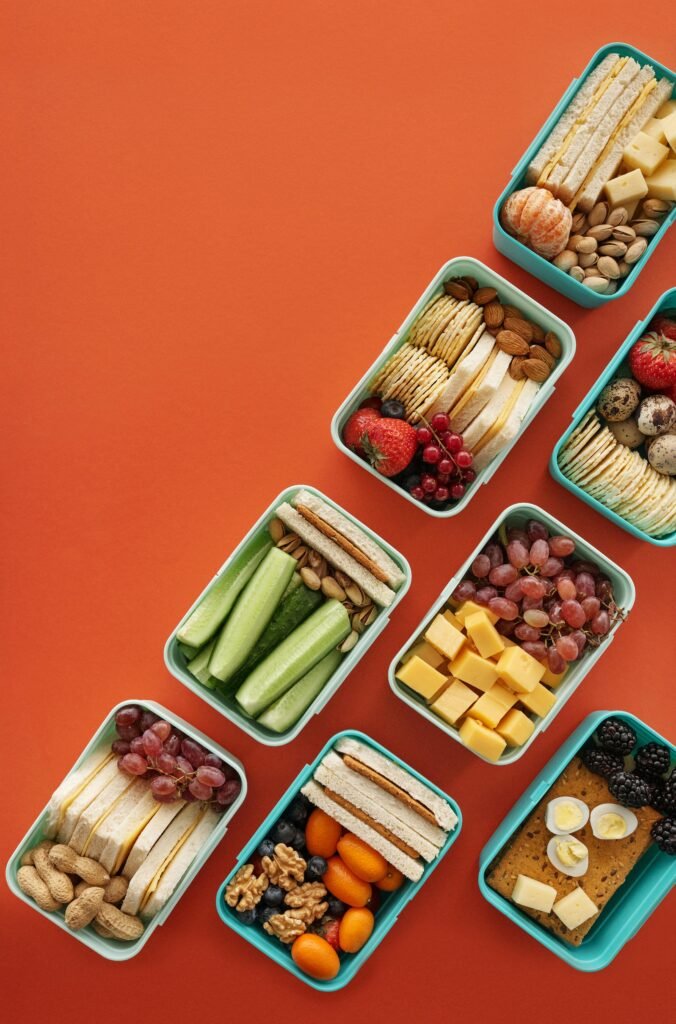
Meal Prep Done Right: A Practical Weekly Guide
The most effective meal prep is not about spending all of Sunday in the kitchen. It is about having the right components ready so that each evening meal takes ten minutes to assemble rather than forty.
Why Most People’s Meal Prep Fails
The most common meal prep approach is also the most counterproductive: cooking a full week’s worth of complete meals and portioning them into identical containers. This works well for certain personalities and certain foods, but for most people it leads to flavour fatigue by Wednesday, wasted food by Friday, and a growing reluctance to open the fridge at all.
The more effective framework is component prep rather than full meal prep. Cook the flexible building blocks that can be combined differently each day: a batch of roasted vegetables, a pot of cooked grains, a marinated protein, and two or three sauces means five quite different meals are available from the same preparation, with minimal assembly time each evening.
What to Prep and What to Leave Fresh
Not all foods benefit from being prepared in advance. Dressed leafy salads wilt within hours. Cooked pasta absorbs its sauce and becomes soft. Fried food loses its crunch entirely. These are better prepared fresh each time.
The foods that hold well and benefit most from advance preparation include whole cooked grains such as rice, farro, barley, and quinoa, which keep refrigerated for up to five days; roasted root vegetables, which can be eaten cold in salads or reheated quickly; legumes, whether cooked from dried or opened from a tin; hard-boiled eggs, which keep for a week unpeeled; sauces and dressings, which often improve over a day or two in the fridge; and marinated proteins, which are not cooked in advance but benefit enormously from extended marinating time.
The Prep Session: Ninety Minutes, Not All Day
A useful prep session does not need to take more than ninety minutes. The key is cooking multiple things simultaneously rather than sequentially. While grains simmer on the hob, vegetables roast in the oven, and a sauce comes together on a second burner.
Start with the things that take the longest: whole grains, dried legumes if using, and anything that needs to roast. While those are underway, wash and chop raw vegetables and store them in airtight containers. Make dressings. Hard-boil eggs. Marinate proteins and refrigerate them. By the time the long-cooking items are done, everything else is already complete.
The session requires a brief plan: knowing which meals you intend to eat during the week means you can shop purposefully and prep with a clear outcome in mind, rather than cooking at random and hoping the components turn out to be useful.
“The most effective prep session is not sequential; it is simultaneous. While grains simmer on the hob, vegetables roast in the oven and a sauce comes together on the second burner.”
Storage and Food Safety
Cooked food stored in the refrigerator should be cooled before it goes in, within two hours of cooking, and consumed within three to five days. Cooked rice and other grains are particularly important to handle correctly: they can harbour bacteria if left at room temperature for extended periods, so they should be cooled quickly and refrigerated promptly after cooking.
Airtight containers extend the life of everything. Glass containers have practical advantages over plastic for refrigerated food: they are safer for reheating, do not absorb flavours or stains over time, and allow you to see the contents at a glance without opening every container in the fridge.
Label containers with the date they were prepared. Without this, identifying what to use first becomes a source of friction that reliably leads to food waste.
Building It as a Lasting Habit
The meal prep sessions that become genuine habits are the ones with the lowest barrier to entry. If the session requires a lengthy shopping trip, several complex recipes, and two hours of sustained effort, it will happen once enthusiastically and then be quietly abandoned.
Start smaller than feels satisfying: one batch of grains, one roasted vegetable, two sauces. Build the habit of doing something before attempting to do everything. Once the pattern is established, the scope naturally expands on its own. The goal is not a perfectly planned week of meals; it is a fridge that makes weeknight cooking significantly easier than the alternative.
| Meal Prep: The Principles That Make It Work |
|---|
| Component prep (grains, proteins, roasted vegetables, sauces) is more flexible and satisfying than identical full-meal prep |
| Foods that hold well include cooked grains, roasted roots, legumes, hard-boiled eggs, and sauces; dress salads and cook pasta fresh |
| Cook simultaneously during the prep session: use the oven, hob, and second burner at the same time to compress the total time needed |
| Cool cooked food within two hours, refrigerate promptly, and label with the date to reduce waste and confusion |
| Start with a small, manageable session to build the habit; scope naturally expands once the routine is established |